
News · Opinion
Scam-Proofing the Golden Years: Protecting Our Elders Online
Roberto Ishmael Pennino & Liam Stock-Rabbat · Updated on December 30, 2025 · 6 min read

In the digital age, the internet can be a source of knowledge, connection, curiosity, and convenience—but for many older adults, it can also be a gateway to manipulation and fraud. Scammers often prey on our elders, not just because they believe they can, but because the emotional and financial toll is devastatingly effective.
This article is for everyone who cares about the safety of the older adults in their life—children, grandchildren, caregivers, neighbours, and friends. It's a call to action: not only to protect, but to empower our elders to navigate the online world with dignity, knowledge, and confidence.
Why Older Adults Are Prime Targets
Older adults are often ideal targets for cybercriminals because of a combination of factors: they may be less familiar with evolving technology, more trusting of authority figures, and often isolated from tech-savvy communities. Many grew up in an era when a phone call or letter was assumed to be genuine—so the idea that a message might be a scam isn’t second nature.
Unfortunately, this trust is often exploited. According to the FBI’s Internet Crime Complaint Center (IC3), Americans over 60 lost more than $4.1 billion to online scams in 2024 alone—an increase of over 33% from the year prior (FBI Elder Fraud Report 2024). In Canada, the Canadian Anti-Fraud Centre reports similar trends, with seniors representing one of the most heavily impacted groups.
The Emotional Toll of Scams
For many victims, the financial loss is only part of the story. Shame, fear, and isolation can follow—especially when the scam involves deception from someone pretending to care, like in romance scams. Many older adults don’t report fraud out of embarrassment, or fear that loved ones will judge or take away their independence.
This silence creates a dangerous cycle—where the same individuals are targeted again because they didn’t speak up the first time.
Our role isn’t to shame or scold, but to listen, support, and rebuild confidence. Helping older adults feel safe enough to talk about scams is the first step to stopping them.
Tactics to Watch For
While scams constantly evolve, some patterns persist. Help your loved ones recognize these common tactics:
- Phishing emails and texts pretending to be from banks, the government, or delivery services.
- Fake tech support claiming there’s a virus on their computer, often prompting remote access.
- Romance scams, where fraudsters create fake online relationships to manipulate emotions and request money.
- Urgent pleas from “grandchildren” in trouble or “police” needing immediate bail money.
- Lottery or inheritance scams telling them they’ve won—but need to pay a fee to collect.
Each tactic preys on emotion: fear, love, urgency, or generosity. By understanding the emotional manipulation behind the message, older adults can learn to pause and think critically before responding.
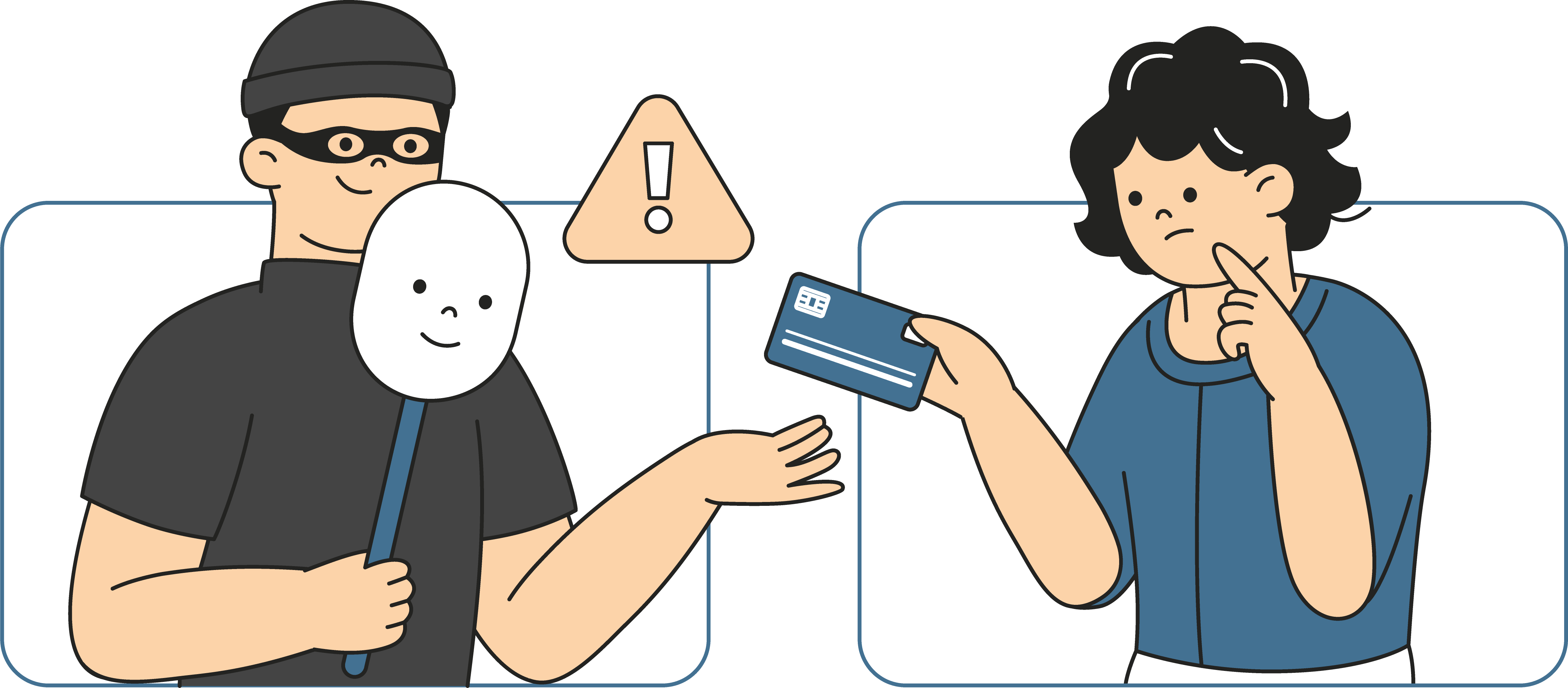 Romance scams and fake tech support are among the most devastating frauds affecting seniors—educating them about these tactics can be life-changing.)
Teaching Gently: Building Confidence, Not Fear
Approach cybersecurity conversations with compassion. Many older adults feel overwhelmed or ashamed for not knowing how things work—and may be reluctant to ask for help.
Instead of technical jargon, use familiar analogies:
- A password is like a key to your home—don’t give it to strangers.
- A phishing email is like someone knocking on your door pretending to be from the bank.
- Two-factor authentication (2FA) is like adding a second lock on the door.
Offer to sit beside them and walk through examples together. Go at their pace. Celebrate their wins—like identifying a suspicious message or using a password manager for the first time.
Above all: reassure them that being unsure is okay. You’re there to help—not to take control. Normalise having them ask for help when they don't understand something. Many elder people believe they’re not naive enough to get caught up in internet scams.
“Cybersecurity for seniors isn’t just about protection—it’s about preserving dignity, independence, and trust in an increasingly digital world.”
Family Empowerment: Encouraging Open Conversations
Make cybersecurity part of regular family conversations—not just a one-time warning. When we speak openly and without blame, older adults are more likely to share when something feels off.
“By creating safe, shame-free spaces for conversation, we empower our elders to ask questions, share concerns, and make confident digital choices.”
Here’s how to start:
- Ask: “Has anyone called or emailed you asking for money or personal info?”
- Share: “I almost clicked on a fake message last week. It looked so real!”
- Encourage: “If you’re ever unsure, give me a call. We can check it together.”
These ongoing check-ins build trust and normalize asking questions—before something goes wrong.
Safe Practices That Make a Difference
Simple, proactive habits can go a long way in preventing scams:
- Use strong, unique passwords for different accounts. Consider using a password manager to make this easier.
- Enable 2FA (Two-Factor Authentication) wherever possible.
- Always be cautious of links or attachments—especially from unknown senders.
- Verify suspicious calls or emails by contacting the company or person directly using known contact details.
- Keep devices and software updated to prevent security vulnerabilities.
If your loved one isn’t confident using security settings, offer to help set things up and explain what each one does.
Community Support: You’re Not Alone
Digital safety doesn’t have to be a solo journey. Libraries, senior centres, and nonprofits across Canada and beyond are stepping up to provide accessible digital literacy programs.
Many offer:
- Workshops for older adults on recognizing fraud and using devices safely.
- One-on-one help sessions with librarians or volunteers.
- Digital mentors—often grandchildren or younger family members—who can walk them through real-world scenarios.
Invite your loved one to attend an event together—or introduce them to an online learning series like those from Get Cyber Safe (Canada) or Cyber Seniors.
 From library workshops to patient grandkids acting as digital mentors, community support plays a crucial role in empowering our elders online.)
Expert Insight: Building Cyber Confidence in Later Life
Lina Dabit’s insight: [ --- ]
(Many older adults are eager to learn but often feel overlooked or overwhelmed by the pace of digital change. As we work to protect our elders online, it’s essential to listen to their lived experiences and recognize the importance of patience, empathy, and tailored support. In this section, we’re honoured to feature insights for seniors from a leading expert in the field of cybercrime awareness and education.)
A Human-Centric Closing Thought: Digital Inclusion with Dignity and Trust
The goal of cybersecurity awareness for older adults isn't just protection—it's digital inclusion with dignity. We owe it to our elders to give them the tools, confidence, and community support they need to stay connected and safe. Doing otherwise simply excludes them from the benefits of the world wide web, further isolating them from our digital societies.
A human-centric approach doesn't stop at teaching rules— it's about listening, adapting, and meeting people where they are. It replaces technical fear with confidence and judgment with patience.
When we approach these conversations with empathy, listen without judgment, and celebrate every step forward, we don’t just reduce risk—we restore trust. Together, we can scam-proof the golden years by replacing fear with knowledge, and isolation with open dialogue.
Because safety online should never be a luxury reserved for the tech-savvy.
It should be a shared right—and a shared responsibility— no matter the stage of life.
Published by the Canadian Cybersecurity Network.