 Francois Guay
1 min read
Trust Is the Product: Why Canada’s Financial Platforms Are Redefining Cybersecurity
 Francois Guay : May 22, 2026, 5:10:42 PM
Originally published in the
Originally published in the 
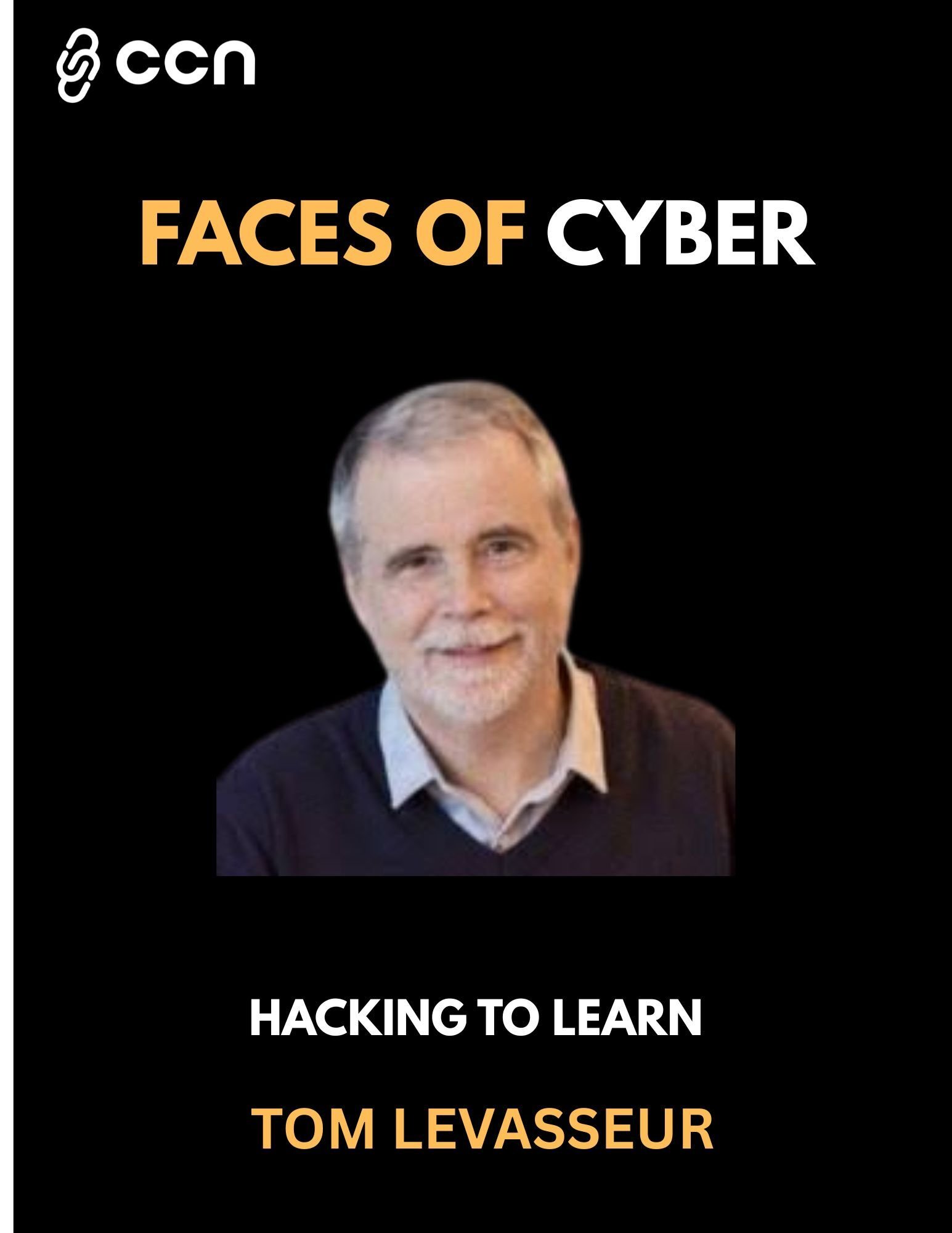
Inside Tom Levasseur’s CyberSci Program and the Hands-On Revolution in Cybersecurity Education
Tom Levasseur, founder and director of CyberSci and retired penetration-testing lead at the Bank of Canada, has spent decades defending systems and now dedicates his energy to defending Canada’s future. Through CyberSci, the national university-level cybersecurity competition he created, Levasseur is reshaping how Canada discovers, trains, and recruits its next generation of talent.
From Early Hacker Hunts to National Leadership
Levasseur’s path into cybersecurity began before the field even had a name. While managing McGill University’s electrical-engineering systems, he tracked down a rogue student hacker known as White Fox. The case drew the attention of the RCMP Computer Crimes Division, who later asked him to serve as an expert witness. “That lit the fuse,” he recalls. From there, he progressed through roles at Nortel, CGI, and finally the Bank of Canada, where he led the penetration-testing team until retiring two years ago. “In those days, you didn’t study cybersecurity, you learned it by solving problems side-by-side with good people.”
Building the CyberSci Pipeline
After retirement, Levasseur turned to Canada’s biggest cyber challenge: the talent gap. He founded CyberSci Canada, a volunteer-run nonprofit giving university and college students real-world, career-defining experience. Its mission: “To build the Canadian cyber workforce, to cram the pipeline with as many great candidates as we can.”
Each regional event follows a fast-paced, high-impact format:
This “hack in the morning, hire by supper” model has proven remarkably effective. CyberSci now runs in six cities, Montreal, Ottawa, Toronto, Calgary, Vancouver, and Halifax, and draws teams from nearly every Canadian university and college. Alumni often return as mentors or organizers, creating a self-sustaining cycle of growth.
Punching Above Canada’s Weight
CyberSci also represents Canada at the European Cyber Security Challenge, where more than 40 countries compete. Despite limited funding, Canada has consistently outperformed expectations. “We’ve beaten the U.S. three years in a row,” Levasseur says proudly. “We’re a small country, but our students punch way above our weight.”
Early Exposure: The Real Game Changer
Levasseur credits the CyberTitan high-school competition as CyberSci’s most important feeder program. “Cyber Titan is even more important than us,” he insists. “That’s where students decide what they want to do.” By the time these students reach university, they’ve already spent years honing their skills. Student-run cyber clubs amplify this growth. “We’ve seen schools go from last to first in a few years,” he says. “A handful of students meeting weekly can transform an entire program.” This grassroots model, he believes, mirrors the teamwork of real-world security operations far better than any classroom lecture.
The AI Debate: Friend, Foe, or Future Teammate?
Artificial intelligence has become the most controversial topic in competitive cybersecurity. During last year’s European finals, rumours spread that the U.S. team used a “giant AI mainframe.” It wasn’t true, but the panic itself proved how quickly AI is changing the game.
Organizers now debate three options:
Levasseur predicts a middle ground. “The real arms race isn’t student versus student,” he says. “It’s challenge designers versus AI.” He envisions future competitions with both human-only and AI-assisted divisions, mirroring the dual reality of today’s cybersecurity workforce.
Systemic Challenges Across the Ecosystem
For all its momentum, CyberSci faces three structural barriers:
Hardware Security: The Next Frontier
Levasseur’s newest initiative expands into industrial control systems (ICS), SCADA, and operational-technology (OT) challenges. He’s seeking partners to design hardware-based tasks, supply test equipment, and deliver pre-event workshops. “Critical infrastructure water, energy, transportation, is the next battleground,” he warns. “Our students need hands-on exposure now.”
A Call to Action
For Students
“Get out there and practise,” Levasseur urges. Join clubs, compete, volunteer, build projects. “Cybersecurity rewards curiosity and persistence more than credentials.”
For Sponsors
CyberSci is always seeking partners. “A few thousand dollars per city gives you direct access to top talent,” he says. “It’s not charity—it’s the smartest recruitment strategy you’ll ever try.”
For Volunteers
While technical mentors abound, non-technical help is scarce. “If you love organizing chaos and want to make an impact, we need you,” Levasseur laughs.
Why It Matters
Canada’s cybersecurity workforce shortage isn’t just an economic gap, it’s a national risk. Levasseur’s model offers a grassroots antidote: build capacity from the ground up, empower students early, and connect them directly with industry. “Every time a student shakes a sponsor’s hand after competing, the ecosystem gets stronger,” he says. “That’s how we win, not with policy papers, but with people who can actually secure systems.”
Looking Ahead
As AI reshapes the profession and threats multiply, Levasseur’s “competition + collaboration + career” formula may become indispensable. He envisions a Canada where every region hosts a thriving cyber club, every company contributes to community growth, and every student finds a pathway from curiosity to career. “Our students have already proven they can compete with anyone,” he says. “Now we just need to give them the resources to keep leading.” Levasseur, now considering his own retirement, adds with a smile: “If anyone wants to lead a meaningful project, backed by dozens of volunteers and helping hundreds of students, CyberSci is it. The work is hard, but the satisfaction is incredible.”
Learn more or become a sponsor at cyberscicanada.ca.

1 min read
Francois Guay : May 22, 2026, 5:10:42 PM
Originally published in the
1 min read
Francois Guay : May 1, 2026, 1:29:25 PM
Originally published in the

1 min read
Also published in the